
The Best Fluffy Pancakes recipe you will fall in love with. Full of tips and tricks to help you make the best pancakes.

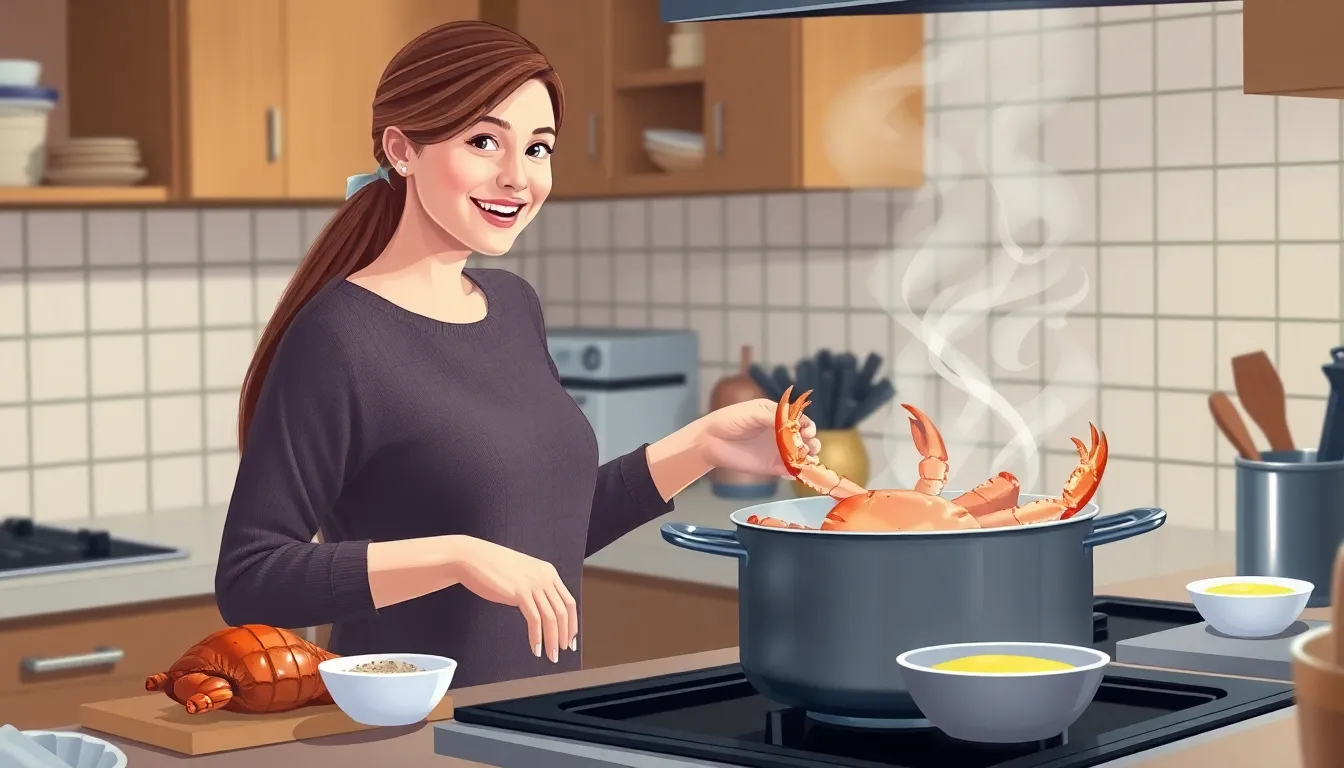
Cooking Crab Legs at Home: The Ultimate Guide to Luxurious Seafood Nights
Crab legs might just be the crown jewels of the seafood kingdom. Picture this: a cozy evening at home, a steaming plate of succulent crab legs, and the satisfaction of cracking them open while wearing your favorite pajamas. Who needs a fancy restaurant when you can unleash your inner chef and tackle this delicacy right in your kitchen?
Cooking Crab Legs At Home
Cooking crab legs at home offers a simple yet rewarding experience. Begin by gathering essential tools, including a large pot, a steaming rack, and kitchen tongs. Choose fresh or frozen crab legs, ensuring they are of high quality to enhance flavor.
Fill the large pot with water, adding enough salt to mimic ocean water. Bring the water to a boil, keeping crab legs ready to cook. If using frozen crab legs, thaw them for optimal results. Placing them in the boiling water for 5-7 minutes gives a delightful taste and texture.
Steaming presents another excellent method. Fill the pot with a couple of inches of water, adding a steaming rack. Once the water boils, place crab legs on the rack, cover, and steam for about 6-8 minutes. This technique preserves moisture and enhances the natural sweetness of the crab.
Experiment with seasoning during cooking. Old Bay seasoning or simply a squeeze of lemon elevates the dish’s flavor profile, providing a delightful experience. While cooking, always watch the time to avoid overcooking, which can lead to a tough texture.
After cooking, use kitchen tongs to remove crab legs and place them on a platter. Serve immediately, accompanied by melted butter for dipping. Enjoying freshly cooked crab legs at home creates a memorable dining experience, capturing the essence of fine dining without the restaurant price.
Choosing The Right Crab Legs
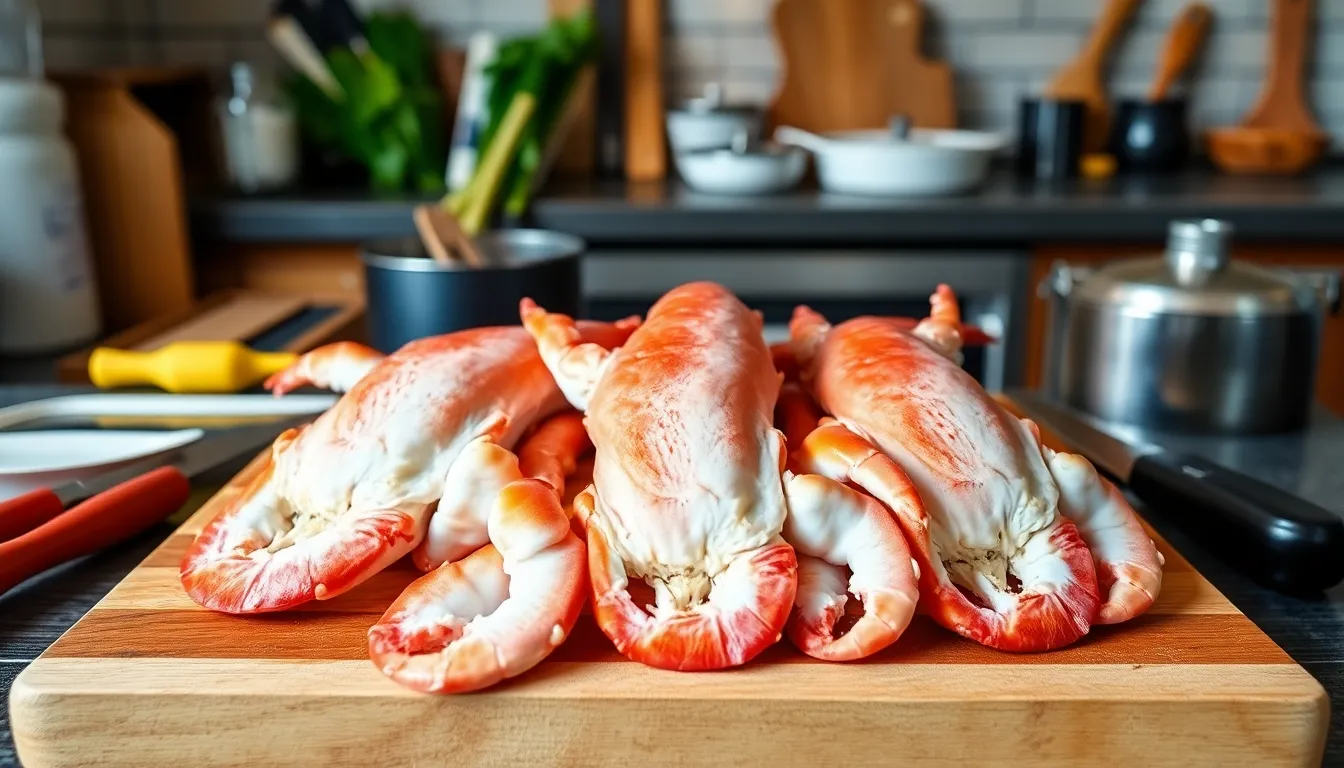
Choosing the right crab legs ensures a delightful dining experience at home. Different varieties offer unique flavors and textures.
Types Of Crab Legs
Snow crab legs feature a sweet, delicate flavor and a tender texture. King crab legs boast a rich, sweet taste and larger meat portions. Dungeness crab legs offer a mild, sweet flavor with a slightly nutty undertone. Both snow and Dungeness varieties typically provide more approachable pricing, making them ideal for home cooking.
Where To Buy Crab Legs
Local seafood markets often stock fresh crab legs, providing a chance to inspect quality firsthand. Grocery stores with seafood counters frequently carry frozen options, ideal for stocking up. Online retailers also offer convenient delivery, often featuring various crab leg varieties from different regions. When purchasing, choosing reputable sellers ensures high-quality seafood reaches home.
Preparing Crab Legs
Preparing crab legs requires a few straightforward steps to ensure the best flavor and texture. Following these methods guarantees an enjoyable dining experience at home.
Thawing Frozen Crab Legs
Thawing starts with placing frozen crab legs in the refrigerator overnight. This method preserves quality while ensuring even thawing. If time is limited, a quicker option involves submerging the crab legs in cold water for about 30 minutes. Using this method speeds up the thawing process without compromising texture. It’s crucial to avoid using hot water as it can start cooking the meat and lead to dryness.
Cleaning Crab Legs
Cleaning crab legs ensures a fresh and flavorful meal. Begin by rinsing them under cold running water to remove any debris. Use a brush to scrub any stubborn spots along the shells. After rinsing, inspect for any residual pieces of shell or cartilage, removing those as needed. Ensuring cleanliness enhances the overall dining experience and highlights the delicate flavors of the crab.
Cooking Methods For Crab Legs
Cooking crab legs at home offers several methods to enhance flavor and texture. The following techniques ensure a delicious outcome.
Boiling Crab Legs
Boiling offers a straightforward and quick method for cooking crab legs. Fill a large pot with water, adding salt for enhanced flavor, and bring it to a rolling boil. Once ready, drop the crab legs into the pot and boil for about 5 to 7 minutes if thawed, or 10 to 12 minutes if frozen. After boiling, use kitchen tongs to remove the crab legs and transfer them to a serving platter. The result is tender meat that’s easy to extract from the shells, ready for dipping in melted butter.
Steaming Crab Legs
Steaming is another excellent method that preserves moisture and flavor. Using a large pot with a steaming rack, fill the pot with water until it reaches just below the rack. Bring the water to a boil, then place the crab legs on the rack, covering the pot with a lid. Steam the crab legs for 6 to 8 minutes if thawed, or 12 to 15 minutes if frozen. This process ensures even cooking and helps keep the meat juicy. The aroma of steamed crab legs alone offers a hint of the delightful flavors to come.
Baking Crab Legs
Baking crab legs provides a unique twist with added seasonings. Preheat the oven to 375°F, then place the crab legs on a baking sheet, drizzling them with melted butter and your choice of seasonings, such as garlic or Old Bay. Cover the legs with aluminum foil to retain moisture, then bake for about 15 to 20 minutes. Baking allows the flavors to meld, resulting in a rich and savory dish. The lightly roasted exterior lends a satisfying texture while keeping the meat succulent.
Serving Suggestions
Crab legs offer a variety of serving options that enhance the dining experience at home.
Dipping Sauces
Multiple dipping sauces pair beautifully with crab legs. Melted butter served with lemon juice creates a classic flavor combination. A garlic herb butter adds a gourmet touch, elevating the dish further. For those seeking a kick, spicy aioli delivers a bold contrast. Additionally, a tangy cocktail sauce complements the sweetness of the crab. Consider placing small bowls of these sauces on the table, inviting guests to mix and match flavors.
Side Dishes
Choosing the right side dishes can elevate the meal. Simple garlic bread provides a crunchy contrast and complements the seafood. Roasted vegetables, like asparagus or Brussels sprouts, add vibrant colors and textures. A light salad featuring citrus elements refreshes the palate between bites. Pairing with creamy coleslaw brings a satisfying crunch. Incorporating a variety of sides enhances the overall presentation and enjoyment of the crab legs.
Conclusion
Cooking crab legs at home transforms a simple meal into a delightful experience. With the right ingredients and techniques, anyone can create a restaurant-quality dish in their own kitchen. The joy of savoring tender crab meat paired with delicious dipping sauces elevates any dining occasion.
By exploring different types of crab legs and cooking methods, home cooks can tailor their meals to personal preferences. Whether it’s a cozy dinner for two or a festive gathering with friends, crab legs offer a touch of luxury that’s both accessible and enjoyable.
So why not bring the ocean’s bounty to the dining table? With a little effort and creativity, a memorable seafood feast awaits.